
A Skeptic’s In-Depth Guide to CDS
or how to introduce Chlorine Dioxide Solution to your best friend.

In an era where health information bombards us from every angle—through apps, social media, news outlets, and medical professionals—it’s surprising how some approaches remain hidden in plain sight. If you’ve never encountered CDS, or Chlorine Dioxide Solution, you’re part of the vast majority.

This aqueous solution of chlorine dioxide gas has quietly amassed an estimated 13 million users worldwide over the past two decades, driven largely by grassroots advocacy, personal testimonials, and independent research. As someone who’s dedicated 20 years to studying and refining its applications, I’ve seen firsthand how it sparks curiosity, hope, and heated debate. But for the uninitiated, CDS might sound like pseudoscience or a risky fad. This article isn’t here to convince you; it’s a comprehensive, balanced exploration designed for skeptics. We’ll dissect the “but why” questions that naturally arise, drawing on mechanisms, evidence, safety concerns, and the reasons behind its controversy. By the end, you’ll have the tools to evaluate it critically—whether you’re a curious newcomer, a health professional, or that friend who’s always asking tough questions.
Let’s start with the basics: What is CDS? At its core, CDS is chlorine dioxide (ClO2) dissolved in water at low concentrations, typically measured in parts per million (ppm). Chlorine dioxide itself is a yellowish gas known for its use in water treatment and disinfection, where it effectively neutralizes bacteria, viruses, and other pathogens without leaving harmful residues like chloramines. In the context of health, proponents like myself advocate for its use as a redox-modulating agent, meaning it influences electron transfer processes in the body. This isn’t a new invention; chlorine dioxide has been studied since the 19th century, but its application to human health emerged more prominently in the early 2000s through exploratory work in biochemistry and electromolecular medicine. Unlike traditional pharmaceuticals, which often target specific receptors or enzymes, CDS operates on a broader biophysical level, aiming to restore cellular balance. With over 13 million reported users today, spanning continents and conditions, it’s no longer a fringe idea—but it’s still far from mainstream acceptance. Why? Let’s dive in.
But Why Have I Never Heard of CDS?

The short answer: It’s off the beaten path of conventional medicine. Most of us get our health knowledge from trusted sources like the World Health Organization, national health agencies, medical journals, or our family doctors. These channels prioritize evidence from randomized controlled trials (RCTs), meta-analyses, and guideline committees—think the American Medical Association or the European Medicines Agency. CDS, however, originates from industrial chemistry and niche fields like redox biology, not the pharmaceutical industry’s drug development pipelines. There’s no blockbuster potential here; it’s inexpensive to produce, can’t be patented in its basic form, and lacks the corporate backing needed for multimillion-dollar studies.
Imagine the journey of a typical drug: It starts in a lab, gets patented, undergoes phases of testing funded by investors eyeing profits, and eventually lands in textbooks and pharmacies. CDS skips this. My own research began two decades ago, inspired by its disinfectant properties and early observations in veterinary and human applications. Over time, through self-funded experiments, collaborations with biophysicists, and user feedback, it grew organically. But without Big Pharma’s marketing machine, it doesn’t appear in med school curricula or prime-time ads. Add to that the digital divide: Information spreads via online forums, books like my own publications, and sites such as andreaskalcker.com, but algorithms and search engines often prioritize established sources. Controversy plays a role too—warnings from agencies can bury positive discussions in search results. In essence, low institutional visibility, limited financing, and polarized opinions keep CDS under the radar. If you’re hearing about it now, it’s likely through word-of-mouth or independent inquiry, which is how most of those 13 million users discovered it.
But Why Is It So Controversial?
Controversy surrounds CDS like a storm cloud, and for good reason. First, the name “chlorine dioxide” evokes images of industrial bleach or pool chemicals, leading to knee-jerk assumptions of toxicity. People hear “chlorine” and think of household cleaners, not realizing that chlorine dioxide is chemically distinct—it’s a selective oxidant that decomposes into harmless salt and water. Yet, at high concentrations, it can indeed be harmful, causing irritation or oxidative stress. This fear is amplified by media reports of misuse, where individuals ingest undiluted forms, leading to adverse events.
Second, CDS challenges the dominant paradigm in medicine: the “single-target” drug model. Modern pharmacology loves specificity—one molecule binding to one receptor for one disease, like statins for cholesterol or antibiotics for bacteria. CDS, by contrast, is broad-spectrum and redox-active. It interacts with electron imbalances, pathogen-derived reductants, and charge gradients across various systems. This versatility makes it seem too good to be true, triggering skepticism. Is it a panacea or placebo? Critics argue it’s unproven; supporters point to mechanistic plausibility in fields like biofilm research and mitochondrial function. The debate heats up online, with accusations of quackery on one side and suppression on the other. Regulatory bodies, focused on public safety, issue broad warnings, further fueling the divide. In my 20 years of work, I’ve navigated this by emphasizing transparency—publishing protocols, encouraging peer review, and advocating for controlled studies. Controversy isn’t a flaw; it’s a call for more rigorous dialogue.
But Why Would Oxidation Be Therapeutic?
To understand this, we need to geek out on biology a bit. Life isn’t just about cells and DNA; it’s a symphony of electrons. Every breath you take powers mitochondrial electron transport chains, generating ATP through controlled oxidation. Immune cells deploy oxidative bursts—think hydrogen peroxide or hypochlorite—to kill invaders. Protein folding, signaling pathways, and even wound healing rely on redox gradients, where electrons flow like currency.
Diseases disrupt this balance. Chronic infections form biofilms, slimy shields of bacteria that resist antibiotics by maintaining reductive environments (electron-rich states). Metabolic disorders lead to reductive stress, where cells drown in excess electrons, causing inflammation and fatigue. In electromolecular medicine—a field I’ve helped pioneer—we view pathology partly as charge dysfunction: energy-depleted cells, abnormal pH zones, and electrostatic barriers. Enter CDS: At low doses, it introduces a mild oxidative potential, oxidizing specific targets like thiol groups in proteins or reduced sulfur in pathogens. This can disrupt biofilms, neutralize toxins, and reset local electron flows, promoting homeostasis.
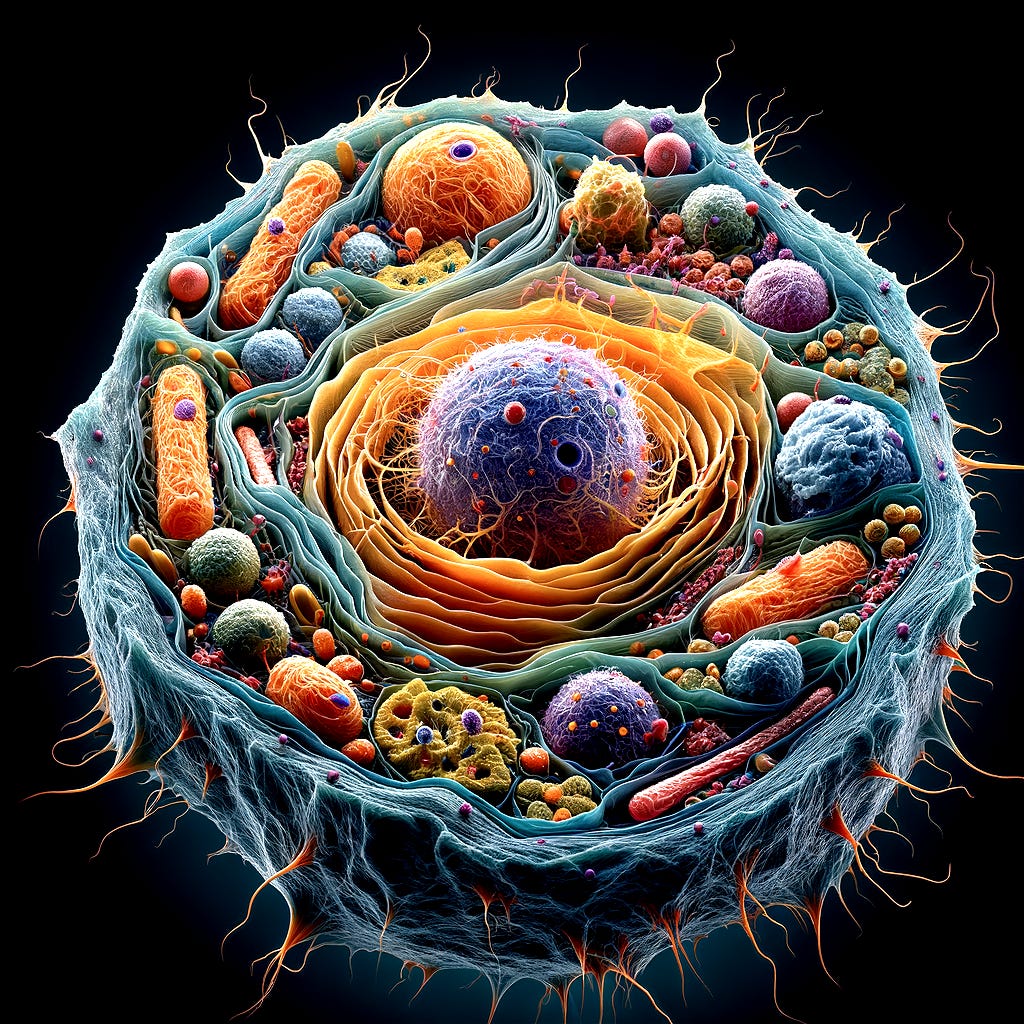
The key is dose and context. High oxidation damages indiscriminately, like a forest fire. Managed micro-oxidation is like a controlled burn—clearing debris without scorching the land. This mirrors natural processes: Your neutrophils use oxidative bursts safely because they’re targeted and transient. Studies in redox biology support this; for instance, research on chlorine dioxide’s antimicrobial effects shows it penetrates biofilms better than many alternatives. Over my research span, I’ve documented cases where CDS correlates with improved oxygen saturation and reduced inflammatory markers, aligning with this mechanism. Skeptics rightly demand proof—does it work in vivo? Lab data is promising, but human trials are sparse due to funding gaps. Still, the principle isn’t radical; it’s an extension of antiseptic strategies used for centuries.
But Why Isn’t There a Formal FDA-Approved Indication?
Approval processes are rigorous for a reason—they ensure safety and efficacy through large-scale, double-blind trials focused on specific diseases. CDS doesn’t fit this mold. It’s cheap (pennies per dose), non-patentable, and applied across conditions sharing a common thread: redox imbalance. Designing trials for “charge correction” in heterogeneous ailments like chronic infections or inflammation is methodologically tricky and economically unviable. Who funds a study when there’s no exclusive market?

Absence of approval doesn’t equate to inefficacy; it’s often a regulatory artifact. Aspirin, for example, was used for decades before full FDA vetting. CDS has been explored in smaller studies and case series, with protocols available on dioxipedia.com. I’ve collaborated on documentation showing dose-response effects, but without pharma dollars, multicenter RCTs remain elusive. Skeptics should insist on evidence—review mechanistic papers, lab assays, and user data. It’s fair to wait for gold-standard trials, but in the meantime, open-access resources allow independent assessment.
But Why Should Anyone Trust Anecdotal Reports?
Blind trust? Absolutely not. Anecdotes are starting points, not endpoints. They’re hypothesis-generators: “This worked for me—why?” With over 13 million users, patterns emerge—consistent improvements in symptoms like fatigue, infections, or inflammation, often with objective markers (e.g., lower CRP levels). But correlation isn’t causation; placebo effects, lifestyle changes, or natural recovery could explain some.
What elevates anecdotes? Convergence: Hundreds of independent cases with similar timelines, dose dependencies, and biological plausibility. For instance, if biofilm disruption leads to rapid symptom relief, and labs show reduced bacterial load, it’s worth investigating. On dioxipedia.com, you’ll find referenced case documentation, protocols, and methodological notes. Ask: Are outcomes measurable? Reproducible? Linked to the mechanism? My work includes training at kalckerinstitute.com to standardize reporting, reducing bias. Still, demand more—push for studies. Anecdotes sparked penicillin’s discovery; they can do the same here if scrutinized.
But Why Wouldn’t Strong Oxidants Damage Healthy Tissue?
They can—if mishandled. But CDS’s safety hinges on selectivity. At therapeutic concentrations (e.g., 3-50 ppm), it reacts preferentially with reduced moieties in pathogens—sulfur in cysteine, nitrogen in amines—while human cells’ antioxidants (glutathione, catalase) neutralize it quickly. It decomposes in seconds to minutes, limiting exposure.
Kinetic selectivity is key: CDS targets electron-rich sites in acidic or reductive microenvironments, common in infections but rare in healthy tissue. Spatial gradients help too—biofilms concentrate it where needed. Protocols emphasize buffering (e.g., with DMSO or water) and monitoring. In my research, adverse events are rare with compliance, often milder than antibiotics’ side effects. Still, risks exist; medical oversight is non-negotiable.
But Why Do Some Institutions Issue Warnings?
Some institutions issue broad warnings because their supposed mandate is population-level safety. Agencies like the FDA or WHO typically reference industrial, concentrated chlorine dioxide or improperly prepared solutions, not correctly diluted CDS as used in therapeutic contexts. When overdosed or misused, chlorine dioxide can irritate the gastrointestinal tract; hence the generalized caution meant to prevent harm.
However, these notices often fail to distinguish between concentration, preparation quality, and dosing protocols as a gas dissolved in water. Toxicity is allways related to a dose and if not any claim is invalid. The practical way forward is education: clear, precise protocols and proper dilution markedly reduce risk. Healthy skepticism is appropriate—review official advisories alongside primary data and protocol details, rather than assuming all forms of use are equivalent.
But Why the Notion That CDS “Works on Everything”?
Why does CDS seem to “work on everything”? It doesn’t—and saying so is hype. The common thread is mechanism: many disorders share electrical and redox dysregulation—biofilm-protected infections (e.g., Lyme), reductive/oxidative stress in autoimmunity, and mitochondrial charge-handling deficits in fatigue. CDS modulates these charge dynamics and disrupts pathogenic biofilms, so its effects appear broad across conditions with shared pathways.
Outcomes still vary—genetics, nutrition, toxin load, microbiome, and concurrent therapies matter. In my clinical observations, roughly 60–80% report meaningful improvement when protocols are followed and cofactors are addressed.
But Why Not Stick to Antibiotics, Antivirals, and Standard Care?
Standard care is the norm—i am not indicating to abandon it. CDS is most useful in stubborn, treatment‑resistant situations: antibiotic‑tolerant biofilms, persistent polymicrobial infections, and chronic inflammatory states where redox imbalance and tissue hypoxia impede recovery. By modulating local charge dynamics and oxidative potential, CDS can shift the microenvironment toward conditions that favor host immunity and reduce pathogen persistence, which may in turn improve the performance of conventional antibiotics and antivirals. The intent is : in complex, mixed‑flora infections and chronic conditions, CDS can be integrated as well to support standard therapy while lowering the likelihood of resistance and relapse. Such integration must have the knowledge to ensure correct dosing, timing, and monitoring; independent use without any knowlege is inappropriate and potentially unsafe. For original protocols and clinical frameworks, consult andreaskalcker.com and dioxipedia.com, and coordinate if possible with trained physicians to tailor correct use to the patient’s status and ongoing treatments.
But Why Would Doctors Consider It?
In tough cases, clinicians have to explore. Patient outcomes—better labs, symptom relief—intrigue. Many physicians turn to it because difficult cases demand new options. When patients show tangible gains—cleaner labs, reduced symptoms, steadier energy—clinicians take notice. Some track practical biomarkers such as ferritin, C‑reactive protein, or lactate to gauge response, while others prefer to wait for larger controlled trials. Structured training at kalckerinstitute.com helps doctors and therapist to evaluate mechanisms, dosing, and safety with rigor. In the end, clinical adoption hinges on evidence and reproducible outcomes, not belief.
But Why Should Your Friend Believe You?
Don’t believe—evaluate. Sites like andreaskalcker.com offer protocols; dioxipedia.com has science Data. If need to consult trained physicians contact info@alkfoundation.com. Trust builds through transparency.
Scientific trust is earned through transparent methods, consistent outcomes, and independent replication. When evaluating CDS, focus on measurable endpoints (symptom scores, biomarkers, redox status), standardized preparation and dosing, and proper adverse-event tracking. Compare results across cohorts and time, and scrutinize the electrical-charge dynamics underpinning Electromolecular Medicine:
Cellular function depends on charge separation and membrane potential; controlled redox modulation with properly prepared CDS can support restoration of those charge gradients in energy-depleted tissues. Your friend need not accept claims—only the data and the method. Read, test responsibly with medical supervision, document rigorously, and let the evidence decide.
But Why Does Cost Matter?
When a therapy costs about $0.01 per dose, it disrupts the usual incentive system that drive pharmaceutical development. Without strong patent protection, there is no exclusive market—hence no clear return on the large, risky investments required for clinical trials. This creates a structural gap: promising, low-cost interventions struggle to attract funding merely because they are inexpensive and not patentable.
This is an economic, not a scientific, barrier. Evidence generation—especially randomized, controlled, multi-center studies—demands substantial resources. Private capital typically follows proprietary assets with defensible margins. By contrast, open, low-cost solutions can fall into a “funding dead zone,” where the potential public health impact is high but the commercial incentive is minimal.
Public-interest research can bridge this gap. Government agencies, academic consortia, and truthfull philanthropic foundations are well placed to support rigorous, transparent trials of non-proprietary therapies. Strategic mechanisms include:
Competitive public grants earmarked for low-cost, high-impact interventions.
Pre-competitive collaborative trials across institutions to share costs and data.
Open-data mandates that accelerate replication and meta-analyses.
Outcome-based funding, where disbursement ties to predefined clinical endpoints.
Such models already work in orphan drug authorization. Applying them here would align incentives with societal value rather than exclusivity. If a therapy is safe, effective, and affordable, the absence of patent profit should not be the reason it remains unevaluated or underutilized.
Ultimately, the goal is healthy patients and sustainable systems. Investing public funds in rigorous trials for low-cost options could yield outsized returns: broader access, reduced healthcare spending, and faster translation of evidence into practice. It is both fiscally prudent and ethically necessary to test what might help millions—precisely because it is affordable.
But Why the Emphasis on Electrical Charges?
Biology runs on charge. Proton gradients across membranes drive ATP synthase; transmembrane potentials open and close ion channels with millisecond precision. Microbial biofilms exploit electrostatic shielding to evade host defenses. When we apply CDS, we subtly modulate these charge landscapes: we oxidize where systems are pathologically reduced, restore redox poise, and free blocked pathways.
Many chronic conditions persist in stagnant, overly reductive states with impaired electron flow and sluggish proton motive force. Targeted, low-dose oxidation with properly prepared CDS shifts the redox setpoint, thins biofilm matrices, normalizes membrane potentials, and allows enzymes and transporters to resume their native kinetics. Electromolecular Medicine simply recognizes that function follows charge; by supporting charge dynamics, cells recover coherence and energy economy, and physiology re-synchronizes.
But Why Do Most People Report Feeling Better Quickly?

People often feel better quickly because CDS disrupts microbial biofilms, lowers inflammatory toxin load, and increases oxidative signaling that improves cellular oxygen utilization.
The objective is to make this measurable: track clinical markers such as CRP, ESR, fibrinogen, ferritin, D‑dimer, lactate, LDH, and transaminases, alongside oxygen saturation, HRV, and symptom scores.
Sustained improvement depends on consistency, correct dosing per established protocols, hydration and electrolyte balance, and addressing sources of reinfection or toxin exposure. Always validate progress with periodic labs and adjust under medical supervision.
But Why Not Just Use Hydrogen Peroxide or Ozone?
Hydrogen peroxide and ozone are valuable oxidants, but their reaction profiles differ significantly from CDS. H2O2 readily generates free OH radicals, which can be effective for disinfection yet can also lead to indiscriminate oxidative stress in biological systems. Ozone is highly reactive and short-lived, making precise dosing and tissue selectivity challenging, with rapid decomposition limiting sustained action.
By contrast, CDS (chlorine dioxide in solution) exhibits a defined redox potential, longer half-life in aqueous environments, and preferential reactivity with electron-rich targets such as sulfhydryl and certain amino groups. This selectivity allows CDS to modulate charge dynamics and biochemical pathways without the broad collateral oxidation typical of radical chemistry. In practice, these properties translate into a more controllable kinetic profile, improved tissue compatibility, and stable dosing windows that suit specific therapeutic and technical applications.
Choosing CDS over H2O2 or ozone is thus a matter of reaction mechanism, half-life, and selectivity—fitting the right tool to the intended biological context.
But Why Do Some People Have Adverse Reactions?
Adverse reactions typically stem from three factors: rapid microbial die‑off (Herxheimer), individual sensitivities, and dosing that exceeds detoxification capacity. When microbial burden drops quickly, inflammatory byproducts can transiently raise symptoms such as headache, fatigue, rash, or flu‑like malaise. Some people are more reactive due to oxidant sensitivity or limitations in glutathione, methylation, or histamine pathways.
Importantly, safety data are reassuring: in a 1,132 patients study, Aparicio et al. (2021) reported no severe adverse reactions, with only 6% experiencing mild, transient effects and 99,3 % eficiency. The practical approach is individualized assessment, start low and go slow, and support elimination (adequate hydration, minerals, and bowel regularity). If symptoms arise, pause or reduce the dose, then resume gradually once stable. Personalized titration minimizes reactions and maintains therapeutic progress.
But Why Does Language Get Heated Online?
Why does discourse get heated online? Health is deeply personal, and emotions run high. Misinformation circulates easily, while patients vigorously defend perceived improvements. Let’s raise the tone: prioritize civility and verifiable evidence.
Skepticism is healthy—treat it as a tool. Ask questions, verify sources, and ensure medical oversight. For detailed protocols and references, consult the official sites.
Share your objections openly; I will respond point by point.
If you want to know more about CDS join our online couses at: Kalckerinstitute.com
... my new Book “Archieved Health” is now availible in : Voedia.com

Wishing you the very best for your health
Dr. h.c. Andreas Ludwig Kalcker
Dr. hc Andreas Ludwig Kalcker is a bio-physicist and pioneer in electromolecular medicine. All mechanisms are redox-balanced, spin-consistent, and supported by EPR, Siemens pO₂ data, and clinical outcomes. Full Data on dioxipedia.com For scientific discussion only
Legal Disclaimer
This Substack is for educational information only and is not medical advice, diagnosis, or treatment. Chlorine dioxide solution (CDS) content is shared for research and training; outcomes vary and are not guaranteed. Always consult licensed healthcare professionals and follow local laws. The author and publisher assume no liability for any use or misuse of the material.
It's easy to introduce CDS when they are so unwell and desperate they'd take anything just to feel a little bit better ^^
Im not advocating to wait so long but just saying, in my experience, in desperation it's definetely the easiest.
Otherwise they might be still able to Google and you'd have to stand against all the disinformation explaining that DIOxide means 2 and that MONOxide is bleach is something entirely different... aso
Thanks 🙏🏻 Andreas
Your teachings have been such a blessing ever since.
Can't say enough about your wonderful explanations, and yes, sometimes it's just better to wait until people are ready and want something different than the sludge they have been fed by our governmental agencies like the FDA, CDC, and of course, the Drug Cartel we call Big Pharma.
In the meantime, I let people know my daily protocol with CDS, and the fact that I've rarely had a sniffle in two years since I decided to do something different and started using my brain and doing a deep dive reading into what can help outside the "normalized" box of therapies to help with being in an environment ripe with shedding of viral material and toxins.
The deep dive led me to Dr. Kackler's work and mission. The greatest benefit is not just the effects of CDS in disease-developing areas, but also its ability to help proliferate stem cells within our bodies.